Wild Horse Empowerment Therapy With Rick Allen & Lauren Monroe
Wild Horse Empowerment Therapy (or Equine-Assisted Therapy/Learning) uses horses as partners in healing, helping people with emotional, mental, and physical challenges by leveraging horses’ sensitive nature and herd dynamics to foster self-awareness, build confidence, reduce stress, and improve communication skills through experiential, hands-on activities like grooming, riding, or leading.
It’s an experiential process, often involving licensed therapists, that mirrors real-life situations, allowing clients to practice new behaviors and gain insights in a non-judgmental environment, benefiting those with trauma, anxiety, disabilities, or addiction.
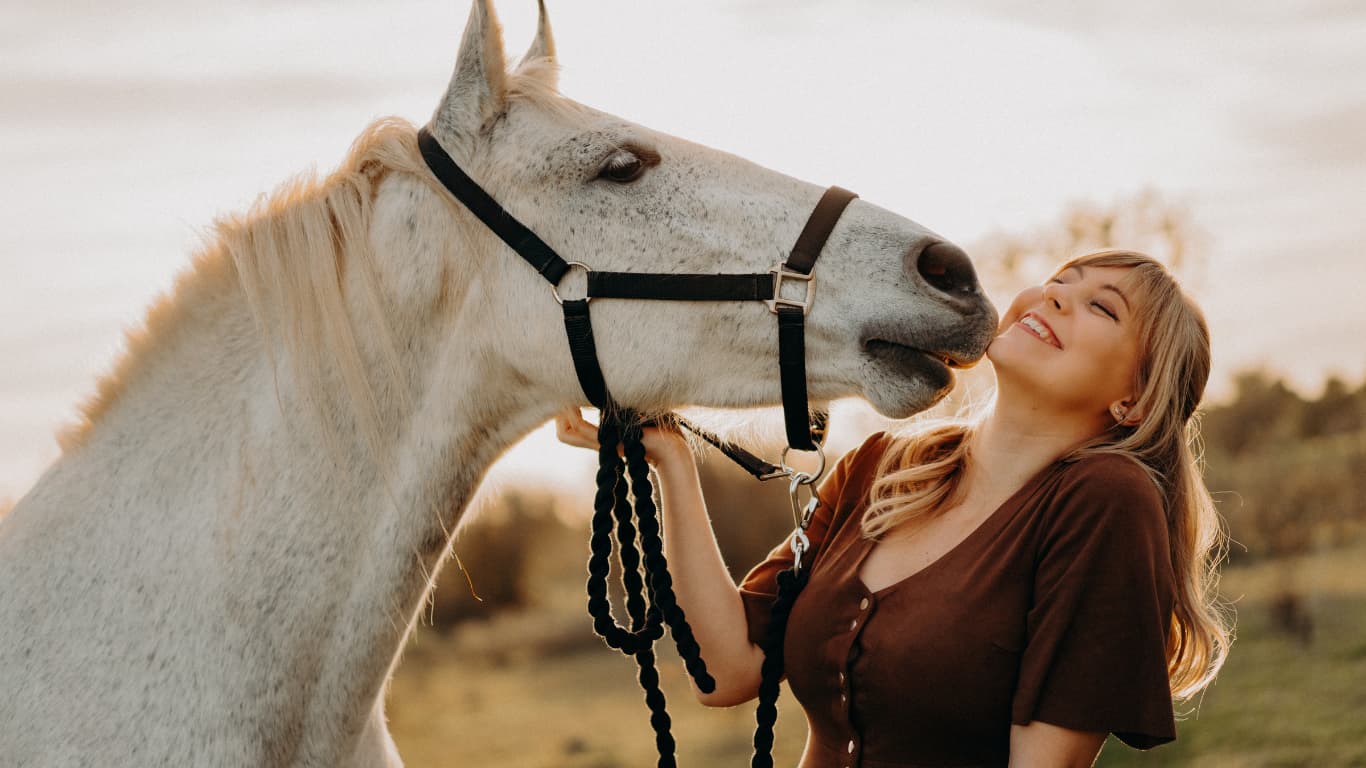
Rick Allen and Lauren Monroe visited the Life Savers Ranch in Lancaster, CA and each had a first hand experience gentling or whispering wild horses. Music: Oneness Chant by Lauren Monroe and Rick Allen.
How Healing With Horses Works
Mirroring Emotions
Horses are highly sensitive to the emotional states of the people around them. In Wild Horse Empowerment Therapy, horses respond instinctively to subtle cues such as body language, energy, and intention. This natural responsiveness acts as a mirror, gently reflecting unspoken emotions, inner conflicts, and behavioral patterns. Through this mirroring, individuals often gain insight into feelings or obstacles they may not have been consciously aware of, allowing for deeper self-understanding and emotional awareness.
Non-Judgmental Space
Horses do not judge, label, or analyze human behavior. Their presence creates a calm, accepting environment where individuals can express emotions freely without fear of criticism or rejection. This sense of safety helps participants relax their defenses and feel supported simply as they are. In this non-verbal, non-judgmental space, emotional expression becomes more natural, making it easier to explore vulnerability and build trust.
Experiential Learning
Rather than relying solely on conversation, Wild Horse Empowerment Therapy emphasizes learning through direct experience. Clients engage in hands-on activities such as grooming, leading, observing, or riding horses. These interactions create real-time opportunities to practice awareness, communication, and emotional regulation. Learning happens organically through doing, allowing insights to emerge naturally and be integrated more deeply than through talk alone.
Building Skills
Working with horses naturally develops practical and emotional skills. Activities foster confidence as individuals learn to approach and interact with a powerful animal respectfully. Leadership skills emerge through clear communication and boundary-setting, while balance and coordination improve through physical engagement. Social and relational skills are strengthened as participants practice presence, empathy, and cooperation in a dynamic, living environment.
Types of Equine Empowerment Assisted Services
A child connects with a horse at sunset, symbolizing trust, safety, and emotional growth.
Equine-Assisted Psychotherapy (EAP)
Equine-Assisted Psychotherapy integrates horses into therapeutic sessions guided by a licensed mental health professional.
Emotional and psychological goals are addressed through structured interactions with horses, helping individuals process trauma, regulate emotions, and develop healthier coping strategies.
The horse serves as a therapeutic partner, supporting insight and healing within a professional clinical framework.
Hippotherapy
Hippotherapy uses the natural movement of the horse as part of physical, occupational, or speech therapy. The rhythmic motion of riding stimulates muscles, balance, and neurological pathways in ways that traditional therapy settings may not. This approach supports improvements in mobility, coordination, posture, and communication while engaging the body in a holistic and supportive way.
Therapeutic Horsemanship
Therapeutic Horsemanship focuses on teaching riding and groundwork skills in an empowering and supportive environment. Participants learn how to care for, handle, and ride horses while building confidence, independence, and self-esteem. The emphasis is not on performance, but on personal growth, emotional connection, and developing a sense of accomplishment through partnership with the horse.
Equine-Assisted Learning (EAL)
Equine-Assisted Learning centers on developing life, communication, and professional skills through interactions with horses. Activities are designed to strengthen problem-solving, teamwork, leadership, and emotional intelligence. The experiential nature of EAL allows participants to practice these skills in real-world scenarios, making the learning process engaging, memorable, and transferable to everyday life.
Who Equine Therapy Helps
Individuals with Trauma, PTSD, Anxiety, and Depression
Wild Horse Empowerment Therapy offers a gentle yet powerful approach for those experiencing emotional and psychological challenges. The calming presence of horses and the experiential process help individuals reconnect with their bodies, regulate emotions, and rebuild a sense of safety. This approach can be especially supportive for trauma and PTSD, where traditional talk therapy alone may feel overwhelming.
People with Physical Disabilities, Cerebral Palsy, or Autism
Equine-assisted approaches provide physical, sensory, and emotional benefits for individuals with a wide range of abilities. The movement of the horse supports physical development, while the structured yet flexible environment can enhance communication, focus, and emotional regulation. The bond with the horse often fosters confidence and a sense of connection beyond verbal expression.
Those in Addiction Recovery
For individuals in recovery, working with horses encourages presence, accountability, and self-awareness. Horses respond honestly to inconsistencies in behavior or intention, offering immediate feedback without judgment. This process can support emotional healing, strengthen self-regulation, and help individuals rebuild trust in themselves and others.
Youth and Adults Seeking Personal Growth and Improved Relationships
Wild Horse Empowerment Therapy is also valuable for those seeking deeper self-awareness, healthier relationships, and personal development. Through interaction with horses, individuals learn about boundaries, communication, and emotional balance. These insights often translate into improved relationships, greater confidence, and a stronger sense of purpose in daily life.
Wild Horse Empowerment Therapy invites us to slow down, listen, and reconnect with ourselves in a more natural and embodied way. Through the wisdom, presence, and responsiveness of horses, individuals are offered an opportunity to explore emotions, build skills, and experience healing in a space that feels safe and authentic. Whether the goal is recovery, growth, or deeper self-awareness, this approach reminds us that healing does not have to be forced—it can unfold through connection, patience, and trust in the process.