What Is A Karmic Relationship?
How to free yourself from the cycle of karmic relationships
Discover what a karmic relationship is, the most common signs, why these intense connections feel painful or addictive, and how karmic relationships support deep healing, personal growth, and soul evolution — even when they aren’t meant to last.
A karmic relationship is an intense, often tumultuous connection between two souls who were brought together in this lifetime to to resolve past-life issues, clear spiritual karmic debts, and learn crucial lessons for personal growth.
Karmic relationships often experience addictive highs, difficult unhealthy patterns (like codependency or conflict), and an inability to let go until the lesson is learned, even if it ends abruptly.
Karmic relationships feel destined but are temporary, serving as catalysts for profound transformation, are are not necessarily meant for lifelong love.
What Are Karmic Relationships?
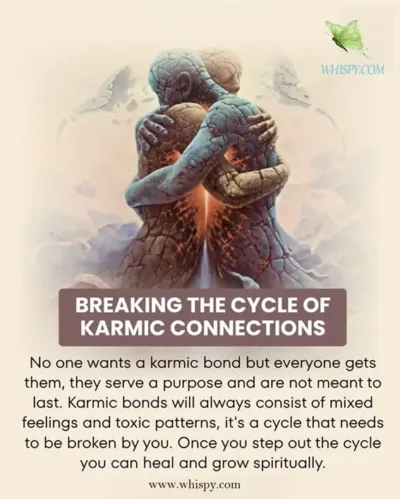
Two souls embracing as they heal karmic patterns and emotional wounds.
Understanding karmic relationship cycles and patterns can help you release the pain of past relationships and open your heart to new beginnings
A karmic relationship is an intense soul connection designed to trigger growth, healing, and deep self-awareness.
If you’ve ever felt instantly bonded to someone — as if you’d known them forever — or found yourself swept into a passionate relationship that moved very fast and felt impossible to resist, you may have experienced a karmic relationship.
These connections are often marked by powerful attraction, emotional highs and lows, and patterns that feel strangely familiar.
Karmic relationships tend to surface unresolved wounds, repeating cycles, or emotional themes from past relationships — and, according to many spiritual traditions, even past lives.
While they can feel intoxicating at first, they often become challenging or painful, burning brightly before collapsing just as quickly.
At their core, karmic relationships are part of the divine design of your life. They exist to support your soul’s evolution, even when the experience itself is difficult.
Some karmic relationships arise to resolve old karmic debt, while others push you to break unhealthy patterns, learn boundaries, or awaken to deeper self-love. Although karmic relationships can resemble toxic or dysfunctional partnerships, their purpose is not punishment — it is transformation.
Signs Of A Karmic Relationship
A karmic relationship often feels spiritually significant from the very beginning. You may sense intuitively that this connection is “different,” important, or destined. Below are the most common signs of a karmic relationship, expanded to help you recognize these patterns more clearly.
Karmic relationships often begin with an overwhelming sense of recognition. You may believe you’ve found your soulmate or feel an immediate emotional bond that seems to defy logic or time. This instant attraction can feel euphoric, magnetic, and consuming, drawing you in before you have a chance to slow down or evaluate the connection objectively.
One defining feature of a karmic relationship is how quickly unresolved emotional wounds come to the surface. Childhood trauma, abandonment fears, self-worth issues, or attachment wounds often appear early in the relationship. While this can feel destabilizing, it’s a sign that the relationship is activating areas of your life that are ready for healing.
Even when the relationship causes pain or confusion, you may feel unable to walk away. There’s often an intense emotional pull that overrides logic or intuition. This attachment can feel obsessive or fated, making it difficult to create space — even when you know something isn’t right.
Unlike healthy relationships that build gradually, karmic relationships often reveal volatility early on. Arguments, emotional triggers, power struggles, or unhealthy dynamics may surface within weeks or months. The intensity can be mistaken for passion, but it often signals unresolved karmic patterns being activated.
High highs and low lows are common in karmic relationships. Moments of deep connection may be followed by emotional distance, conflict, or instability. This constant fluctuation can create emotional exhaustion while simultaneously reinforcing attachment through intensity.
Karmic relationships can take on an obsessive quality. You may find yourself thinking about the relationship constantly, prioritizing it above friendships, work, or self-care. This intensity often blurs boundaries and makes it harder to maintain emotional balance.
You may notice yourself acting out of character — becoming reactive, emotionally dependent, dramatic, or insecure. Karmic relationships can strip away familiar coping mechanisms, forcing you to confront parts of yourself you may not have acknowledged before.
Many karmic relationships end abruptly, without closure or resolution. The ending may feel shocking, painful, or unfinished — leaving you searching for answers. This sudden ending often marks the completion of the karmic lesson, even if it doesn’t feel that way at the time.
Instead of mutual acceptance, small imperfections may trigger outsized reactions. Judgment, criticism, or frustration can dominate interactions, highlighting emotional immaturity or unresolved inner work on one or both sides.
Trauma bonding is a survival response that occurs when emotional pain is intertwined with moments of connection or relief. The cycle of conflict and reconciliation can deepen attachment, making it harder to leave despite ongoing harm.
To others, the relationship may appear ideal, passionate, or enviable. Internally, however, there is often hidden pain, shame, or emotional distress that you may struggle to share — even with close friends.
Frequent misunderstandings, emotional escalation, and unresolved disagreements are common. Conversations may feel circular or emotionally charged, reinforcing frustration and disconnection.
Many karmic relationships begin with intense chemistry and idealization, only to reveal deeper dysfunction over time. The contrast between the beginning and reality can be jarring and heartbreaking.
Why Am I In A Karmic Relationship?
The purpose of karmic relationships
Despite the pain they can cause, karmic relationships serve a higher spiritual purpose. They are powerful teachers, guiding you toward self-awareness, healing, and personal transformation.
Common reasons you may be experiencing a karmic relationship
-
You have unresolved karmic debt or karmic lessons to learn
-
You are ready to break long-standing unhealthy relationship patterns
-
You are healing childhood or past life wounds through relational experiences
-
You agreed to this connection on a soul level (soul contract) to support mutual growth
-
You are learning self-love, self-care, boundaries, and emotional sovereignty
These relationships are not meant to last forever — they are meant to wake you up.
Healing From a Karmic Relationship
Healing from a karmic relationship can be one of the most challenging — and transformative — experiences of your life. True healing involves forgiveness, self-reflection, and taking responsibility for your role in the dynamic without self-blame.
Exploring your relationship patterns, attachment style, and emotional triggers allows you to break unconscious cycles and reclaim your power. Working with a therapist or spiritual counselor who understands both psychological and spiritual dimensions can provide invaluable support during this process.
Karmic relationships can deeply impact mental and emotional health, sometimes contributing to anxiety, depression, emotional fragmentation, or physical stress responses. If you are experiencing intense emotional distress or harmful thoughts, please seek professional support immediately.
At Whispy, our spiritual advisors offer holistic guidance that blends psychic insight with grounded spiritual understanding. Our readings are designed to help you understand the purpose of your karmic relationship, support your healing journey, and guide you toward healthier, more fulfilling connections when you’re ready.
Karmic Relationship vs Soulmate vs Twin Flame
While karmic relationships, soulmates, and twin flames are all intense spiritual connections, they serve very different purposes in your life. Understanding these distinctions can help you make sense of your experience and release confusion or self-blame.
Karmic relationships are primarily about lessons and healing. They activate unresolved wounds, attachment patterns, and emotional triggers so they can be consciously addressed and released. These relationships often feel intense, addictive, or painful and are rarely meant to last long-term. Their purpose is growth through challenge — not comfort.
Soulmate connections are rooted in support, resonance, and mutual growth. While they can still bring challenges, soulmates tend to feel safe, familiar, and emotionally nourishing. Spiritual Soulmates may be romantic or non-romantic and often support long-term companionship, healing, and shared evolution.
Twin flame relationships and twin rays are believed to involve a mirror soul — someone who reflects your deepest truths and shadows. These connections can be profoundly transformative but are often turbulent, especially before both individuals reach emotional and spiritual maturity. Twin flame soulmate relationships are rare and not always meant to result in partnership; their purpose is awakening rather than union.
Understanding the differences between karmic relationships, spiritual soulmates, and twin flames can bring relief and clarity — especially if you’ve been questioning the meaning of a powerful connection.
Each type of relationship serves a unique purpose in your life, and none of them are mistakes. Karmic relationships teach essential lessons, soulmates support growth and companionship, and twin flames awaken deep self-awareness.
When you learn to recognize a soulmate and the role a connection is meant to play, you can release self-blame, let go with compassion, and honor the experience for what it was — a step forward on your soul’s journey.
Recap: Key Characteristics of A Karmic Relationship:
Instant & Intense Connection
A powerful, immediate pull and sense of familiarity, as if you’ve known them forever.
Highs & Lows
Extreme passion and drama, characterized by cycles of intense closeness and volatile conflict (emotional rollercoasters).
Unfinished Business
The relationship brings forward unresolved wounds, patterns (abandonment, rejection), or debts from past lives or childhood.
Codependency
Often fosters unhealthy attachments and an inability to leave, even when damaging.
Teacher/Student Dynamic
One or both partners act as mirrors, reflecting your deepest flaws and areas needing healing, forcing you to confront them.
Abrupt Endings
The relationship typically ends suddenly and unexpectedly once the core lesson is integrated, leaving you exhausted but changed.
Frequently Asked Questions About Karmic Relationships
A karmic relationship is a deep, intense connection meant to teach important life lessons. These relationships often trigger emotional wounds, patterns, or unresolved issues so they can be healed and released. While they can feel powerful and meaningful, they are usually temporary and focused on growth rather than long-term harmony.
Not always, but they can feel emotionally challenging. Karmic relationships often bring up conflict, attachment issues, or emotional pain because they are designed to highlight what needs healing. While some karmic relationships may appear toxic, their purpose is transformation and awareness — not suffering.
Karmic relationships are typically intense, unstable, and emotionally triggering, while soulmate relationships tend to feel supportive, safe, and nurturing. A karmic relationship pushes you to face wounds, whereas a soulmate relationship supports mutual growth and emotional balance.
In some cases, yes — but only if both people become aware of the karmic patterns and actively work to heal them. Without conscious effort, karmic dynamics usually repeat cycles of conflict and emotional pain. Most karmic relationships naturally end once the lesson has been learned.
Healing involves self-reflection, forgiveness, boundary-setting, and addressing unresolved emotional wounds. Support from a therapist, spiritual counselor, or intuitive guide can help you understand the lesson of the relationship and release lingering emotional attachments so you can move on from the relationship with clarity and strength.
If you’re navigating the intensity or aftermath of a karmic relationship, you don’t have to face it alone. Understanding the spiritual purpose behind the connection can bring clarity, relief, and direction during a deeply emotional time.
A supportive psychic or spiritual reading can help you uncover the lessons this relationship is teaching, release lingering attachments, and move forward with greater self-awareness and strength.
When you’re ready, seek guidance that empowers your healing and honors your journey — your soul is meant to grow, not suffer.