

Overcoming Fear For Good
How to face your fears and anxiety to finally overcome them
Overcoming fear and anxiety is not about forcing yourself to “stop being afraid,” but about learning how to understand fear, regulate your nervous system, and move forward without letting fear control your choices.
Fear can paralyze even the best of us. It can cripple your train of thought and make you act differently. Overcoming fear is a process for us all, step by step. Facing your fears is a good start on the road to fear recovery.
Fear and anxiety are part of being human — they exist to protect us — but when they begin to dominate our thoughts, decisions, and daily life, they can quietly hold us back from keeping inner peace and the life we want to live.
Overcoming fear doesn’t mean eliminating it altogether; it means learning how to understand it and move forward without letting it control you.
With the right tools, fear can become something you work with rather than something that works against you. The techniques below are practical, proven ways to calm the nervous system, shift unhelpful thought patterns, and build the confidence needed to face fears and regain emotional balance.
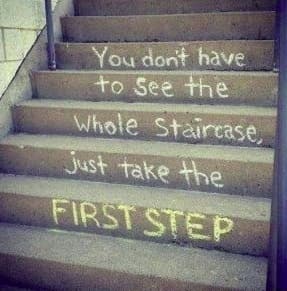
You don’t need to overcome fear all at once — progress begins with one small step forward.
How To Overcome Fear
The fear of being not loved, or different, or alone, ensnares the soul of every man, woman and child; yet all are the same only in that each is different from the other, and afraid of letting it be known.
Fear causes a double exposure, distorting the true picture with the image fear creates. Fears are the building blocks that make up our walls; knowledge is the chisel, and understanding the hammer with which we break them down.
The best way to overcome fear includes a combination of gradually facing your fear, practicing mindfulness and relaxation, reframing your thoughts, and building self-esteem, self-love, and self-confidence by starting with small, manageable steps and celebrating progress, while seeking professional help if needed.
How Fear & Anxiety Effects You
-
Fear limits your existence
-
Fear creates fear
-
Fear is the usual reaction to fear
-
Fear stifles true power
-
Extensions belonging to fear
The emotions anger, resentment (a further extension of anger), confusion, guilt, shame, jealousy, envy (a further extension of jealousy), hurt, among others, are all extensions of fear. What this means is that when one of these other emotions comes to the surface, underneath it is always the emotion of fear.
Without fear, we are free to see through the once threatening emotions and opinions of others — their walls become windows through which we can see the fears that bind them — and thereby understand their prejudices and cruelties.
Without fear, we can experience life without hidden meanings, for it is fear that keeps knowledge hidden. Fear is unnecessary, undesirable, and unreasoning. Everything we do, is done out of either LOVE or FEAR.
Think about this for a moment and I think you will agree. Because of that I want to address the emotion of fear. Think of it this way: Fear is the gatekeeper of your comfort zone. Your comfort zone is whatever is familiar to you.
As a child, your comfort zone was your mother’s lap (or in my case crib in a Lutheran orphanage). You ventured away out of curiosity but scurried back to safety when you felt threatened.
Overcoming Fear And Your Comfort Zone
Now your comfort zone is the people you already know, the routines you’re used to, the places where you feel at home. Whether these are bad, good, happy, or sad is immaterial. Dealing with change out side of your comfort zone is challenging no matter who you are.
As the saying goes, “Better the devil you know than the devil you don’t know.” People stay for years in bad marriages, boring jobs, and other belittling situations because breaking the bond to the familiar and trying something new feels too scary.
Your comfort zone is what you are comfortable with, where you feel safe. But how satisfying is safe? Fear keeps us from feeling alive when there’s a danger of not being accepted, approved, or understood.
Therefore we deny our essential nature. Fear doesn’t know you are an adult that craves adventure, love and fulfillment. That is why a crisis is sometimes what’s necessary to shake your world and give you the courage you need to change your situation.
The crisis in your life that gets you started on the journey from fear to freedom need not be obvious or life shattering a simple nudge or your just plain sick of letting yourself down. Your soul yearns for more.
The Best Ways To Overcome Fear & Anxiety
Fear and anxiety are natural responses meant to protect us — but when they begin to control our choices, limit our confidence, or interfere with daily life, learning how to work with fear instead of against it becomes essential.
The strategies below combine mind-body regulation, practical action, and mindset shifts to promote conscious growth will help you regain a sense of safety, clarity, and control.
Mind–Body Techniques
Deep Breathing & Mindfulness
Slow, intentional breathing helps calm the nervous system by signaling safety to the brain. Practices such as diaphragmatic breathing or box breathing can reduce the intensity of fear responses. Mindfulness complements this by teaching you to observe thoughts and emotions without judgment, allowing fear to rise and fall naturally rather than escalate.
Grounding (5-4-3-2-1 Technique)
Grounding exercises help interrupt spiraling thoughts by reconnecting you to the present moment. By consciously naming things you can see, touch, hear, smell, and taste, you shift attention away from fear-based thinking and back into the body, where a sense of stability can return.
Reframe Fear as Excitement
Fear and excitement activate the body in similar ways — increased heart rate, heightened awareness, and energy. By intentionally labeling the sensation as excitement instead of fear, you reduce avoidance and build confidence. Simple techniques like the 5-second rule (counting down and acting) can help redirect that energy into action.
Action-Oriented Strategies
Gradual Exposure
Avoidance strengthens fear over time. Gradual exposure allows you to face fears in manageable steps, building confidence through repeated, safe experiences. For example, practicing a feared activity privately before slowly expanding to more challenging situations helps retrain the brain that the threat is manageable.
Set Small, Achievable Goals
Breaking fear into levels makes it less overwhelming. Create a scale of fear-provoking situations and start with the least intimidating. Practice until your discomfort noticeably decreases before moving on. Progress happens through consistency, not force.
Act on Values, Not Fears
Fear often tries to dictate decisions based on safety alone. Shifting focus to your values — growth, connection, freedom, purpose — helps you act despite fear. When actions align with what truly matters to you, fear loses its power to control your direction.
Get Active
Physical movement helps release built-up nervous energy and reduces stress hormones. Activities like walking, stretching, yoga, or strength training can quickly lower anxiety levels while improving mood and confidence.
Mindset Shifts
Identify and Accept Fear
Naming fear instead of resisting it reduces its intensity. Acceptance does not mean giving in — it means acknowledging the feeling without fighting it. Over time, this builds emotional tolerance and reduces fear’s grip.
Challenge Negative Thought Patterns
Fear often exaggerates outcomes. Writing down fearful thoughts and comparing them to actual outcomes helps expose distortions. With practice, you begin to recognize patterns where fear predicts danger that rarely materializes.
Practice Positive Psychology
Training the mind to notice positive experiences builds resilience. Simple habits like gratitude, reflecting on progress, or recognizing moments of courage help balance fear-based thinking and strengthen emotional well-being.
When to Seek Help
If fear or anxiety feels overwhelming, persistent, or interferes with daily life, seeking professional support is a sign of strength. A mental health professional or authentic, ethical spiritual guidance can help you uncover underlying causes, guide exposure therapy safely, and provide tools tailored to your specific needs.
Facing Your Fears With An Open Heart
This year, try to be willing to see things differently. Willing to experience new ideas. Willing to listen to the people who cheer you on rather than the ones who echo your fears.
Willing to have an open heart. Willing to take risks. Because The person sitting in the rocking chair at the end of their life is not regretting the actions they took but the ones they did not.
We all know that things don’t always go the way we want or expect them to go. Plan as we might, practice as we might, sometimes things just don’t go our way.
When circumstances take twists and turns we can’t predict, we often feel discouraged. We dwell on the situation or circumstances. But dwelling on the negative produces a negative mindset. It forces us to unwittingly dwell on what’s wrong in our lives instead of focusing on what we can change or do to make things right.
When something goes differently than we had planned or when something that’s difficult pops up unexpectedly, we should allow ourselves to feel the confusion, anger, or whatever other emotion comes along as a result.
We should also allow ourselves to vent our feelings to only one person who will not judge or condemn but who will just listen–someone who knows and understands that you are releasing frustration, that you are venting.
But once you have vented, prevent yourself from dwelling on the thing that caused the negative emotion by not dwelling on it. When you dwell on it, your mind is focused on the horrible thing.
You will definitely bring yourself down. Instead, after you allow yourself to vent about the situation, allow yourself to pick up the pieces and see where you can go from where you are.
What can you do to make things better? How can you respond so that meeting your main priority is still your focus? Think about things that have gone right in your life. Appreciate what you have been able to achieve so far.
By asking yourself questions and remembering past positive moments, your mind accepts what has just happened and moves on to what will happen next. It uses the lessons you just learned as corrective feedback to help you stay on track with your goals or to help you determine a new one.
Frequently Asked Questions About Overcoming Fear & Anxiety
Moving Forward With Courage, Even When Fear Remains
Overcoming fear is a process, not a single moment of bravery. Each time you calm your body, question anxious thoughts, or take a small step forward, you weaken fear’s grip. Fear doesn’t disappear overnight—but it no longer has to control your choices. With awareness, patience, and practice, confidence grows and life begins to feel more open, steady, and manageable again.